Euraseal
Casting impregnation
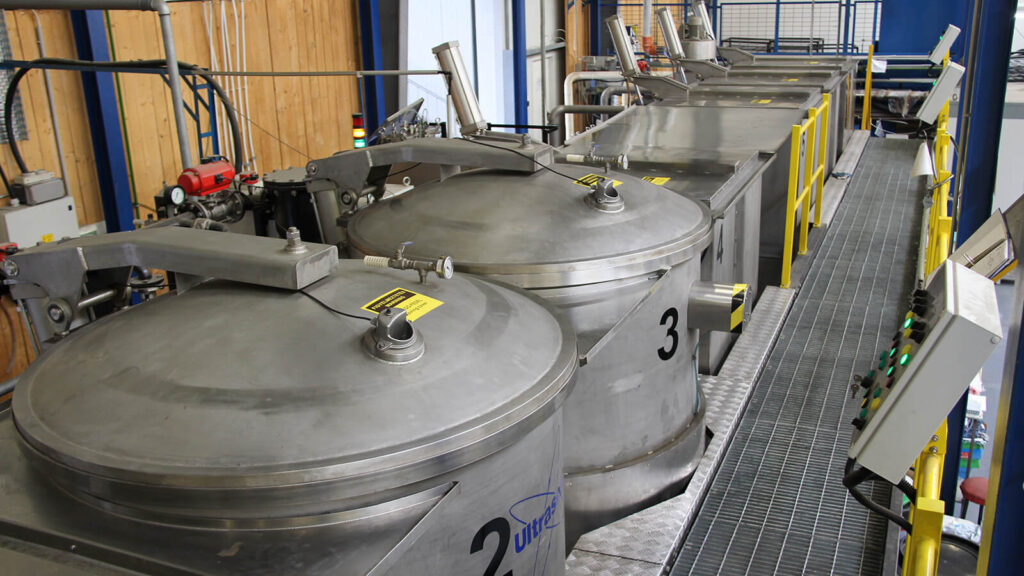
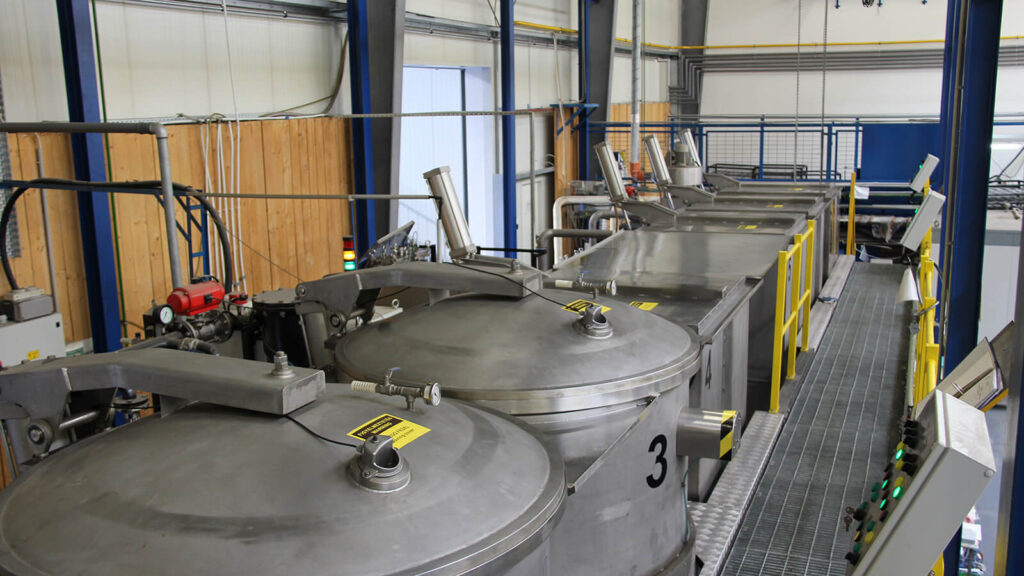
We offer a complete solution for impregnation of castings
During the impregnation of castings, we use special sealants to close micropores and cracks, ensuring fluid and gas resistance. This significantly increases the durability of the parts and greatly reduces the number of scraps. Our technology offers stable and reproducible results, especially when leak-free operation is a must.
Why is impregnation necessary?
What is porosity?
Porosity refers to internal voids or hairline cracks that form in the structure of a material during manufacturing – and these can later lead to serious leakage problems, especially in castings.
The gases generated during casting leave tiny pores in the material, often invisible to the naked eye. These microscopic gaps can cause leaks under liquid or gas pressure, which in many cases makes the part unusable.
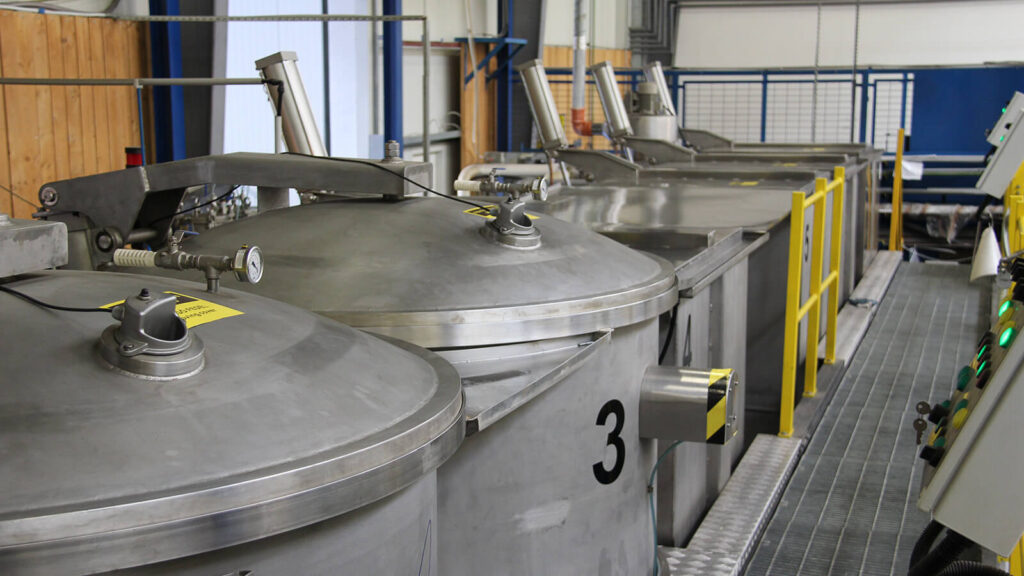
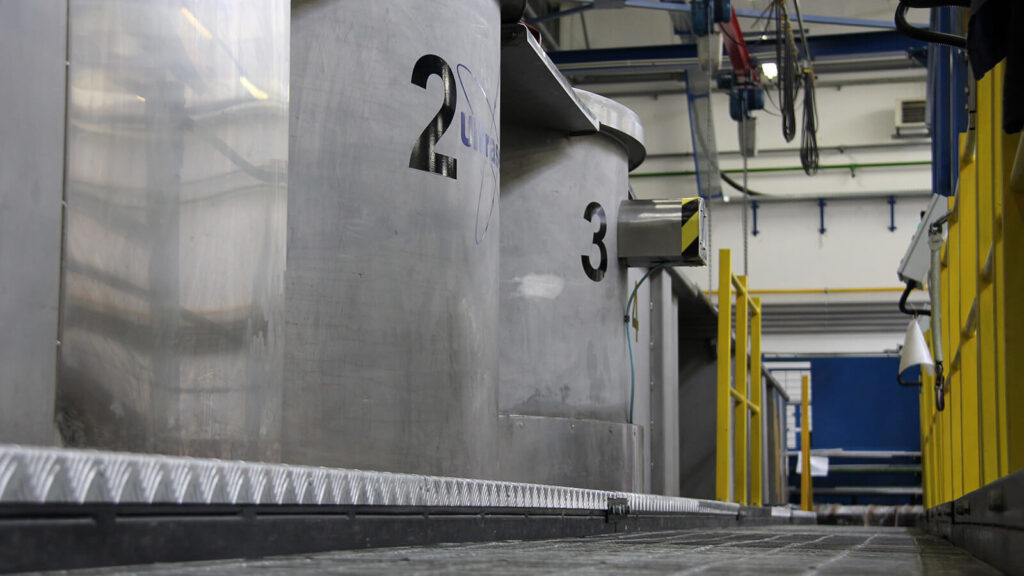
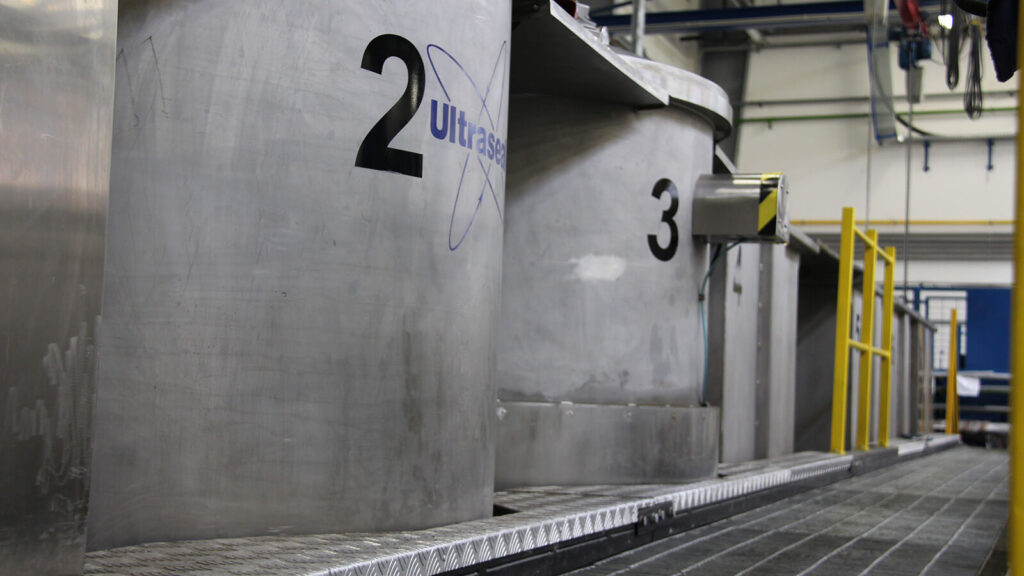
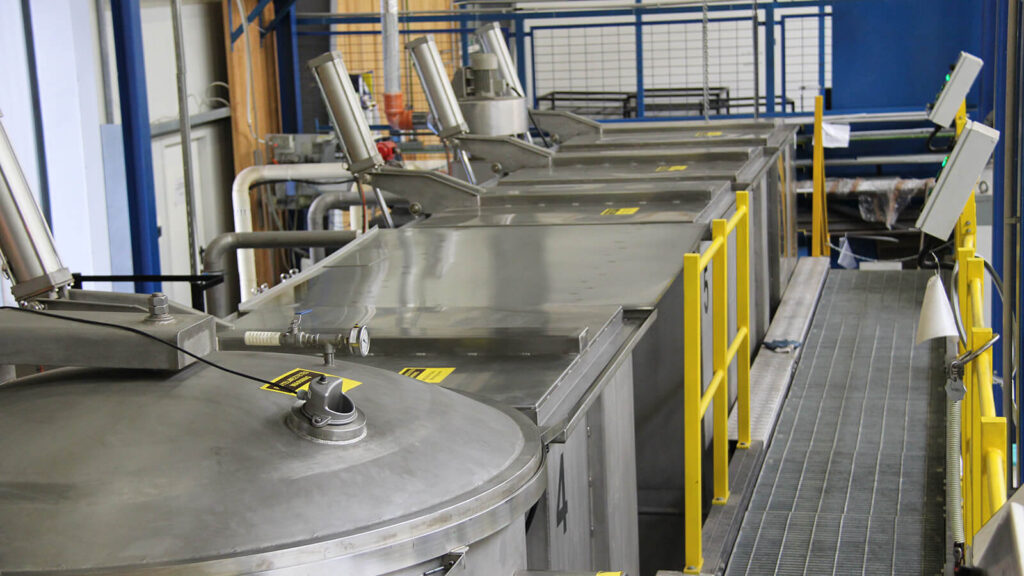
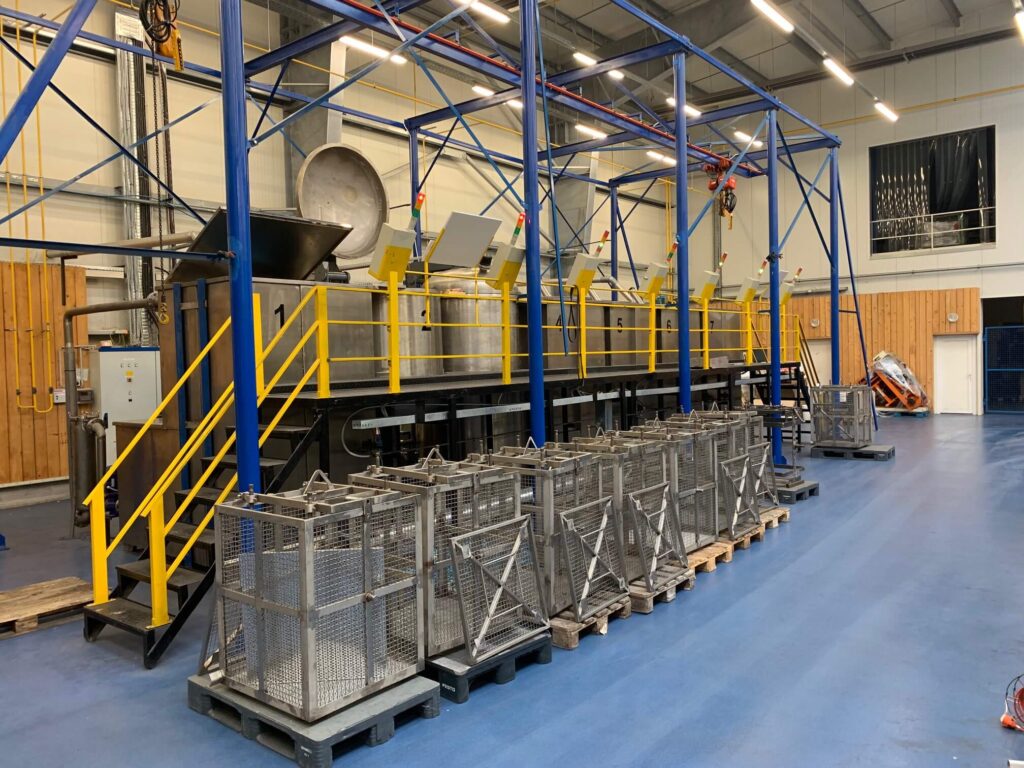
Vacuum impregnation offers an effective, long-lasting solution to this. During the process, the pores in contact with the surface are filled with a special, flexible and heat-, chemical- and oil-resistant material that permanently eliminates leakage without changing the size or surface of the workpiece.
This process can be used on both raw and machined castings and is particularly important where the reliability of the casting is a critical factor. The most common types of porosity include flow porosity (due to insufficient pressure), gas porosity (due to gases released during the manufacturing process), and thermal expansion porosity, which is the most difficult source of defects to control.
Vacuum impregnation has been a proven solution in domestic and international industry for over 35 years. Long-term tests by the US Navy, applications by leading automotive manufacturers, and use in drinking water environments all confirm the effectiveness and reliability of the process.
Another advantage of the method is that it improves the surface properties of the parts, thus preparing them for varnishing or painting.
Impregnation is often referred to as “insulation”, “vacuum resin process” or simply “sealing”.
Steps of vacuum impregnation:
1. – The pores are cleaned of all impurities.
2. – We remove moisture from the cavities with a dry vacuum.
3. – We use dry vacuum to remove moisture from the cavities. The parts are placed in an impregnating medium, where the pores are filled by the vacuum.
4. – The synthetic resin crosslinks at 90°C and then hardens, so it remains resistant in the long term.